Utrecht Politicians Take a Recess While The Lights Go Out
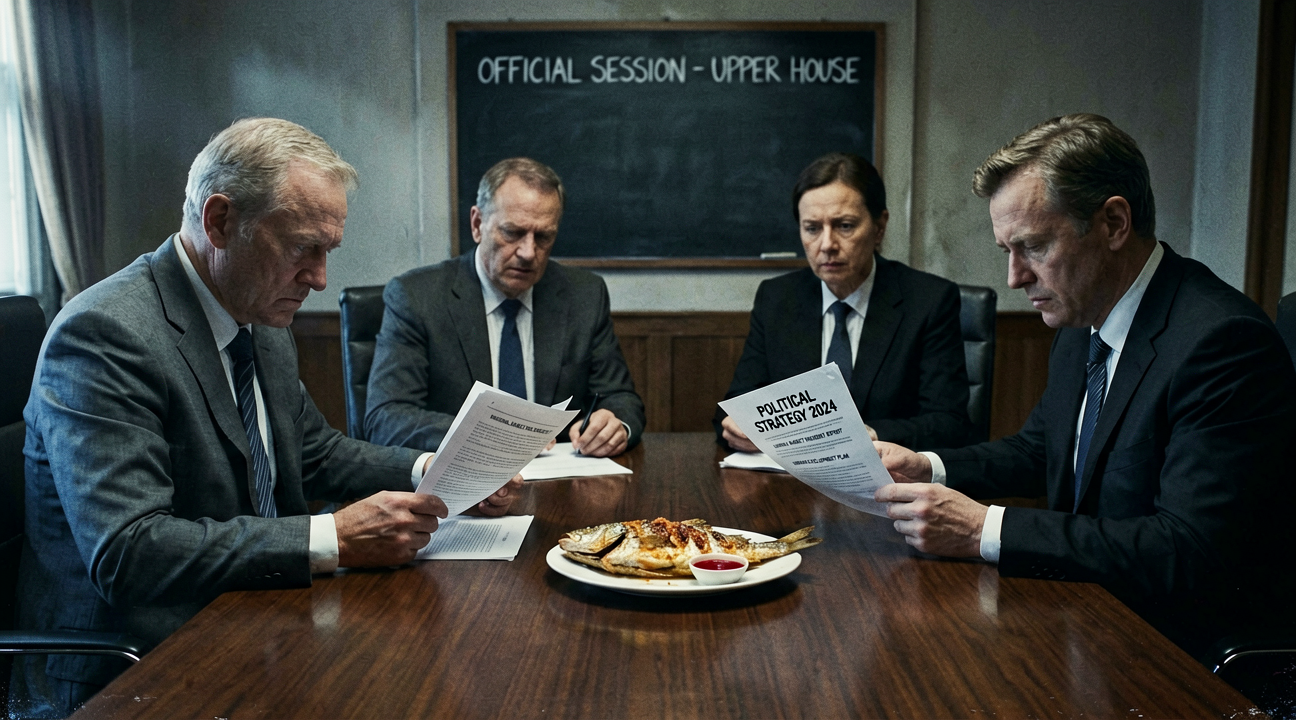
In the quiet corners of Utrecht, where the air conditioning hums and the coffee is always hot, four political parties have gathered to decide who will run the show. They call it “negotiations,” but it looks more like a polite standoff between people who want to build houses in a city that has forgotten how to plug them in.
A Pleasant Standoff
The formateurs, Lilianne Ploumen and Victor Everhardt, are leading this delicate dance with the kind of confidence that usually precedes a disaster. They insist the atmosphere is “pleasant” — a word that suggests everyone is smiling while holding their breath.
The four parties — GroenLinks-PvdA, D66, CDA, and the Party for the Animals — are sitting around a table, discussing what they can do for Utrecht in the coming years, provided the electricity grid doesn’t decide to take a nap first.
The Nap They’re Ignoring
That nap is called a “connection stop.” It means that new projects might not get power, which implies fewer new homes and perhaps no charging stations for electric cars. Yet, when asked about this looming crisis, Ploumen treats it like a minor administrative detail.
She says they need to map out the consequences before letting it influence the talks.
In other words: let’s finish the tea party first, then check if the kettle has water.
A Lot of Dead Fish on the Table
The irony is palpable in every room where these decisions are made. The negotiators for the Party for the Animals recently visited a market in Vleuten, a place where regular people buy food to survive. They were treated to fried kibbeling by a fishmonger — a generous portion that didn’t run out.
When council member Anne Sasbrink noted there was “a lot of dead fish on the table,” she wasn’t just making a joke about her party’s vegetarian leanings; she was highlighting the disconnect between the people in power and the reality they are supposed to manage.
Ploumen dismissed this as a momentary lapse, assuming the delegation doesn’t visit that part of the market often. It is a charming defense for a group that claims to represent the interests of animals while standing over a plate of fried fish. They are negotiating sustainability in a city where the power grid itself seems to be running on fumes.
The Most Honest Thing Said All Week
The talks began in April, and despite the “intense news” of the connection stop, the formateurs insist it hasn’t derailed the process yet.
They say they can’t grasp what it means exactly — which is perhaps the most honest thing said all week.
If you are building a coalition to solve housing shortages, but the houses have no power, then the problem isn’t just about bricks and mortar; it’s about whether the lights will stay on when people move in.
Back to School
For now, the negotiations are taking a break. The parties need to catch their breath after the busy elections, and the formateurs suggest they should rest before diving back into the “intense” details of Utrecht’s future.
On Monday 4 May, talks will resume in a school in Kanaleneiland. It is a fitting venue for a group that spends its days deciding where people live while ignoring the fact that the city might not have enough energy to keep them warm.
Utrecht’s politicians have achieved something remarkable: they’ve managed to schedule a break from solving problems they don’t yet understand, in a city that may soon be unable to power the lights they’re negotiating under. It is a masterclass in governance — assuming, of course, that the power stays on long enough to finish the meeting.